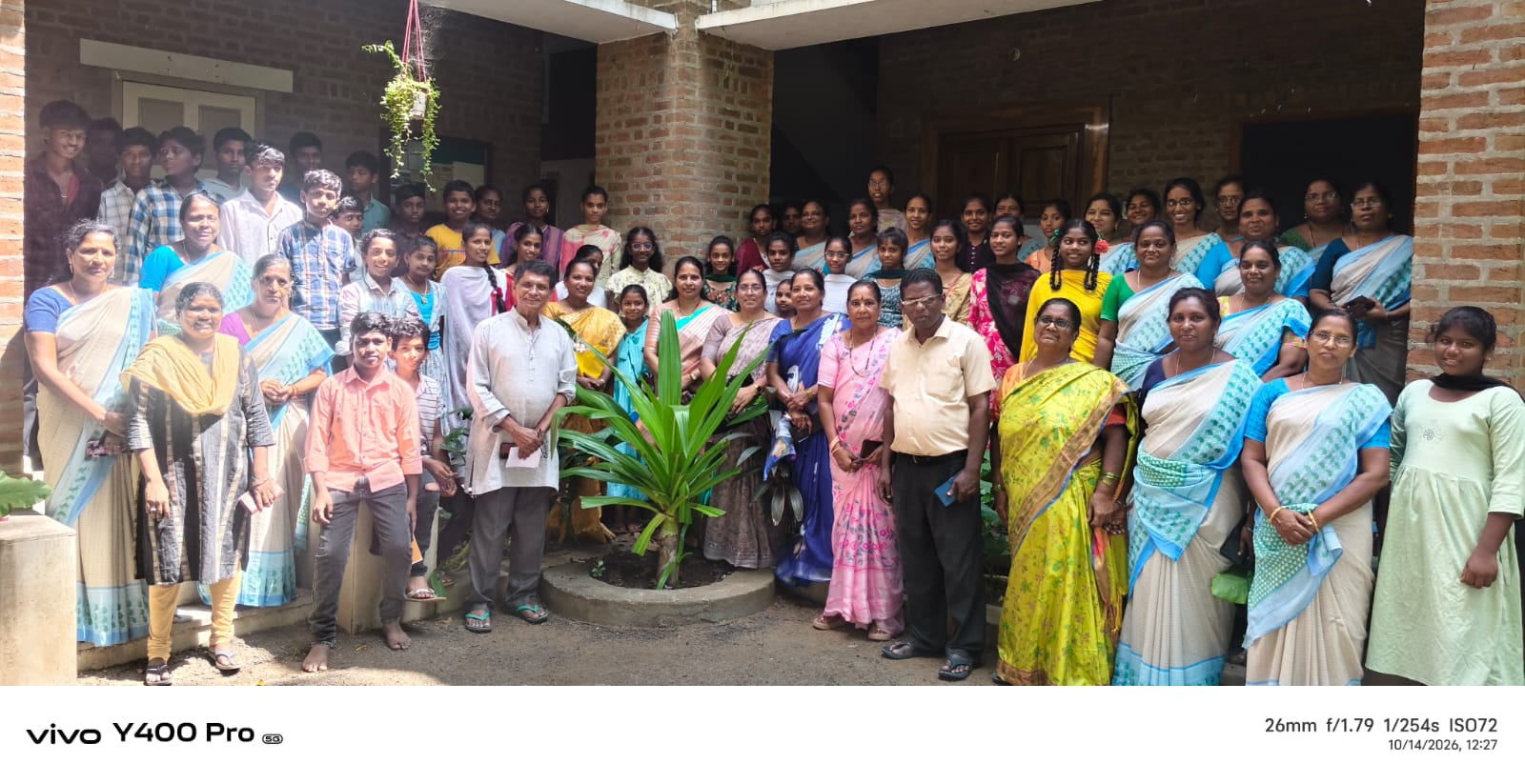
PARA organised a two-day training programme on Child Rights and the Village Child Welfare and Protection Committee (VCWPC) on 13 and 14 October 2026 at PARA Office, Ravulapalem. The programme brought together representatives from 40 villages across four mandals—Kothapeta, Ravulapalem, Atreyapuram and Alamuru—with 10 villages represented from each mandal. The training particularly focused on Anganwadi Teachers, adolescent boys (Kishore Baludu) and adolescent girls (Kishore Balika), recognising their important role in building safe, inclusive and child-friendly communities.
The primary objective of the programme was to strengthen the understanding of child rights and enhance the capacity of village-level stakeholders to identify, prevent and respond to child protection concerns. By bringing together frontline workers and young people, PARA sought to promote a shared understanding of child protection as a collective responsibility requiring active participation from communities, government institutions and children themselves.
Inaugural Session: Strengthening the Commitment to Child Protection
The programme commenced with the registration of participants and the traditional inauguration through the lighting of the lamp. The sessions were attended by Smt. Vimala, Chairperson of the Child Welfare Committee (CWC); Smt. Gajalakshmi, Child Development Project Officer (CDPO) of the Kothapeta Project; supervisors from the concerned mandals; and Thomas Pallithanam, Director of PARA, who attended the inauguration of the second day's programme.
Addressing the participants, Smt. Vimala highlighted the importance of child rights and the role of the Child Welfare Committee in protecting children in need of care and protection. She also drew attention to the support available for eligible orphaned children under Mission Vatsalya, emphasising the importance of identifying vulnerable children and facilitating their access to appropriate assistance.
Smt. Gajalakshmi spoke about the role and responsibilities of VCWPC, particularly in preventing child marriages and addressing issues affecting children at the village level. She stressed the importance of community awareness, early identification of risks and coordination among stakeholders to ensure that children receive timely protection and support.
On the second day, Thomas Pallithanam, Director of PARA, set the context for the training by emphasising that children must be recognised as protagonists in promoting and protecting their own rights. His message highlighted the need to move beyond viewing children merely as beneficiaries of protection programmes and instead recognise them as active participants who can understand their rights, express their concerns and contribute to change in their communities. This perspective underscored the importance of listening to children's voices and creating opportunities for their meaningful participation in matters affecting their lives.
Understanding Child Rights and Child Protection
A major focus of the training was building participants' understanding of the fundamental rights of children and the responsibility of adults and institutions to uphold them. The sessions addressed the rights to survival and development, non-discrimination, health, participation and expression. Participants were sensitised to the importance of ensuring that every child has access to care, education, healthcare, opportunities for development and a safe environment.
The programme also highlighted the need to identify and address situations in which children's rights are violated or threatened. Issues such as child marriage and other child protection concerns require vigilance, awareness and timely intervention at the community level. The discussions reinforced that child protection cannot be the responsibility of a single institution; it requires coordinated action by families, communities, frontline workers and relevant government authorities.
VCWPC: A Vital Mechanism for Village-Level Child Protection
The role of the Village Child Welfare and Protection Committee was central to the training. Participants were oriented to the purpose and responsibilities of VCWPC as a village-level mechanism for identifying vulnerable children, recognising protection concerns and facilitating appropriate action.
Particular emphasis was placed on the prevention of child marriage, identification of children in need of care and protection, community awareness and coordination with relevant authorities. The training highlighted the importance of active village-level engagement in ensuring that concerns affecting children are identified early and addressed through appropriate channels.
The sessions also introduced participants to key institutions within the child protection and Juvenile Justice framework, including the Child Welfare Committee, Juvenile Justice Board, District Child Protection Unit and Special Juvenile Police Unit. Understanding the roles of these institutions can help village-level stakeholders facilitate appropriate referrals and connect children with the services and protection mechanisms they need.
Children as Active Participants in Protecting Their Rights
An important dimension of the training was the participation of adolescent boys and girls alongside Anganwadi Teachers. Their involvement reflected PARA's emphasis on recognising children and young people as active participants in child protection efforts.
Adolescents can play an important role in creating awareness among their peers, identifying harmful practices and encouraging children to seek help when they face difficulties. When children understand their rights and are provided with safe opportunities to express themselves, they can contribute meaningfully to building communities that respect and protect children's dignity.
Anganwadi Teachers, as frontline functionaries who interact with children and families, also have an important role in identifying concerns, raising awareness and connecting vulnerable children with appropriate support services. The participation of these groups created an opportunity to reinforce the complementary roles of adults and young people in strengthening village-level child protection.
Building a Collective Response Across 40 Villages
The participation of representatives from 40 villages across Kothapeta, Ravulapalem, Atreyapuram and Alamuru mandals was an important feature of the two-day programme. With 10 villages represented from each mandal, the training created a platform for strengthening awareness of child rights and VCWPC across multiple communities.
By bringing together frontline workers and adolescent representatives, PARA emphasised the importance of shared responsibility, community vigilance and collaboration with child protection institutions. The programme reinforced the need for village-level stakeholders to remain alert to risks affecting children, support preventive action and ensure that vulnerable children are connected with appropriate services.
The discussions also highlighted the importance of awareness about support mechanisms under Mission Vatsalya for eligible orphaned and vulnerable children, so that children requiring assistance can be identified and guided towards appropriate support.
Towards Child-Friendly and Protective Communities
The two-day VCWPC training programme reaffirmed the importance of strengthening community-based child protection mechanisms and promoting a rights-based approach to child welfare. It highlighted the role of VCWPC in preventing child marriage and addressing child protection concerns, while emphasising the contributions of Anganwadi Teachers, adolescent boys and girls, community representatives and government institutions.
Most importantly, the programme reinforced the message that children should not merely be the subjects of protection initiatives but should be recognised as active participants in promoting and safeguarding their rights. Building child-friendly communities requires adults to listen to children, respect their perspectives and provide them with opportunities to participate safely and meaningfully.
Through this initiative, PARA continued its efforts to strengthen awareness of child rights and encourage collective action at the village level. Sustained engagement, effective coordination and meaningful participation by children and communities are essential to creating an environment in which every child can grow with dignity, safety and equal opportunities.
PARA remains committed to promoting child rights and strengthening community-based child protection mechanisms so that every child is heard, protected and supported.