PARA successfully organized three Residential Training Programs for District Vigilance and Monitoring Committee (DVMC) and Community Vigilance and Monitoring Committee (CVMC) members on the Scheduled Castes and Scheduled Tribes (Prevention of Atrocities) Act, 1989 and its Rules. The training programs were conducted from 3rd June to 5th June 2026 at Montfort Social Institute, Ramanthapur, Hyderabad.
The objective of the training was to strengthen the knowledge and capacities of DVMC and CVMC members on the effective implementation of the SC/ST (PoA) Act and Rules, victim protection mechanisms, legal remedies, and community-based monitoring of atrocity cases.
Inaugural Session
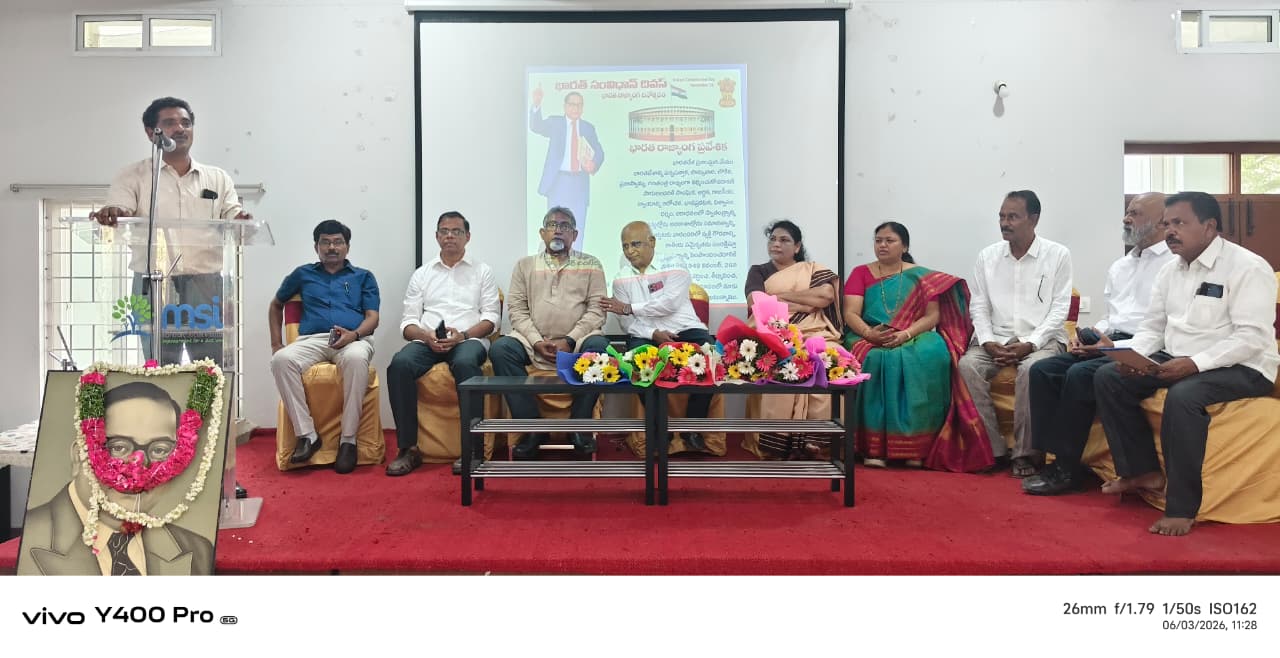
The training program commenced with a solemn inaugural session. Participants and guests paid tribute to Dr. B.R. Ambedkar by garlanding his portrait and collectively reciting the Preamble of the Constitution of India, reaffirming their commitment to justice, liberty, equality, and fraternity.
The inaugural session was graced by distinguished guests and resource persons including:
Ø Mr. Paul Divakar – Human Rights Activist
Ø Ms. Geddam Jhansi – Dalit Women Rights Activist
Ø Mr. Desal Bhupal – Telangana State RTI Commissioner
Ø Br. Varghese – Director, Montfort Social Institute
Ø Mr. D. Narasimha – Telangana State High Court Judge-cum-Public Prosecutor
Ø Mr. Nandagopal – Former Director of Sakshi and Human Rights Activist
Ø Mr. Edwin – Scholar and Human Rights Activist
Ø Mr. Penki Chitti Babu – Program Manager
During the inaugural session, the speakers highlighted the efforts and achievements of DBSU in addressing caste-based atrocities and supporting victims despite numerous challenges. They emphasized the importance of strengthening grassroots vigilance mechanisms and ensuring effective implementation of constitutional safeguards for Scheduled Castes and Scheduled Tribes.
A significant highlight of the inauguration was the formal release of the Training Module on the SC/ST (PoA) Act and Rules, which will serve as an important resource for community leaders, activists, and committee members.
Key Training Sessions
Over the three-day residential training, participants engaged in intensive learning and discussions on various legal, administrative, and advocacy-related aspects concerning the rights of SC/ST communities. The major topics covered included:
- Overview of the SC/ST (Prevention of Atrocities) Act and Rules.
- Government Order (G.O.) No. 95 relating to crime registration and compensation for victims.
- Protection of victims and witnesses and their legal rights.
- Fact-finding methodologies and documentation of atrocity cases.
- Right to Information (RTI) Act and filing RTI applications using appropriate legal provisions.
- Legal Clinics and their role in community justice.
- Judicial activism and access to justice mechanisms.
- District Legal Services Authority (DLSA) services and legal aid provisions.
The resource persons provided practical insights, case studies, and field experiences, enabling participants to better understand legal procedures and intervention strategies for atrocity cases.
Participation
The training witnessed active participation from DVMC and CVMC members representing various districts of Andhra Pradesh and Telangana.
Andhra Pradesh
- Vizianagaram
- Dr. B.R. Ambedkar Konaseema
- Prakasam
- Guntur
- Kadapa
- Manyam
Telangana
- Mahabubnagar
- Rangareddy
- Yadadri Bhuvanagiri
- Warangal
- Suryapet
- Vikarabad
- Khammam
The participants actively shared their field experiences, challenges, and best practices in addressing caste-based discrimination and atrocities in their respective regions.
Outcomes
The training enhanced participants' understanding of:
- Legal provisions under the SC/ST (PoA) Act and Rules.
- Procedures for securing justice, compensation, and rehabilitation for victims.
- Community-based monitoring and vigilance mechanisms.
- Effective use of RTI and legal aid services.
- Fact-finding and documentation skills for atrocity cases.
- Strengthening collaboration with government agencies, DLSA, and other stakeholders.
The program also created a platform for networking and collective learning among DVMC and CVMC members across Andhra Pradesh and Telangana.
Conclusion
The three-day residential training program successfully strengthened the capacities of DVMC and CVMC members to advocate for the rights of Scheduled Castes and Scheduled Tribes and to effectively respond to atrocity cases. The sessions reinforced the importance of community vigilance, legal awareness, and coordinated action in ensuring justice, dignity, and constitutional rights for marginalized communities.
PARA expresses its sincere gratitude to all the resource persons, participants, and the Montfort Social Institute for their valuable support and contribution to the successful conduct of the program.